tempiqlab.com
Temp°IQ™ Research Repository
White papers, studies in progress, and the investigators advancing them. Open to credentialed members across medicine, science, sport, and engineering.
Enter the LibraryMost wearables estimate.
Temp°IQ™ measures.
Heat actually removed from the body, in watts and kilojoules — a real physical quantity, not an estimate. That measurement is both the product and the research engine.
Research Programs
Read the science, follow the studies, shape where the evidence goes next.
Learn · Engage · Advance.
Study 01
Thermoregulation under heat stress — occupational, tactical, athletic & adaptive, and medical.
Explore →
Study 02
Dose-controlled cold therapy — turning cryotherapy from a timed ritual into a measured, titratable dose.
Explore →
Study 03
The HALO platform directed to two ends — concussion management and sleep. Clinician-governed throughout.
Explore →
Join the Research
Follow a study or contribute directly. Credentialed members across medicine, science, sport, and engineering.
Descriptive, not diagnostic. Every claim is sized to its evidence.
Clinical & Scientific Research
Technical research examining thermoregulation science, thermal recovery, heat illness prevention, and neuroprotection across the Temp°IQ™ platform.
Athletic Performance & Recovery
Examines exertional heat illness pathophysiology, cooling intervention strategies, and the role of liquid cooling garments in athletic performance.
AvailableIndustrial & Occupational Safety
Reviews physiological and perceptual responses in industrial and occupational settings. Covers heat stress pathophysiology, OSHA prevention standards, and liquid cooling garment comparisons.
AvailableOrthopedic Recovery
Examines targeted contrast therapy for knee-related injury. Reviews cryotherapy science and the psychological, social, and contextual dimensions of recovery.
AvailableOrthopedic Recovery
Reviews targeted contrast therapy for ankle-related injury. Covers the burden of ankle sprains, limitations of current cryotherapy devices, and mobile recovery approaches.
AvailableNeurological & Cranial
Reviews cranial cooling for headache and concussion applications. Examines migraine pathophysiology and the potential of selective head cooling in sports-related concussion.
AvailableConsumer Wellness
Explores the relationship between cranial thermo regulation and sleep quality. Covers temperature modulation approaches and the HALO IQ consumer device architecture.
PendingIntellectual Property
Nearly a decade of original filings protecting the architecture behind precision thermoregulation — from adaptive cooling systems and novel soft materials to AI-driven thermal prediction.
Patent Summary
Cooling & Heating Device Technology
Founder filed for cooling and heating device technology that functions independently of — or in conjunction with — a vast array of sensors, software systems, and medical devices.
Proof of Concept & AI Predictor Tools
The company filed proof of concept hardware and utility applications of the technology for adverse climates, including predictor tools driven by machine learning and AI.
Novel Materials & Inflammation Sensing
Heat dissipation methods, novel materials, and high-temperature environments led to further research — novel material structures and design factors were added to measure inflammation in real time. New filings addressed hazardous environments, component customization, channel designs, energy efficiency, and AI / deep learning automation.
Wearable Electronics & Soft Materials
Every filing carries the wisdom imparted from MIL-Aero engineering, assuring the most surface area and contact possible. Optimized electronics and dynamic soft materials represent future development — with first-of-kind active ventilation, breakthrough soft materials, and accessories like the filler, purge, and pressurize system.
Patent portfolio managed by Pillsbury Winthrop Shaw Pittman LLP
Coming Soon
We are developing a series of industry surveys to better understand the needs of professionals across medical, industrial, athletic, and OEM sectors. Your future input will directly inform product development and clinical research.
Survey Preview
Medical Professionals
How does your practice manage cold therapy? Help us understand pain management workflows and where thermoregulation fits in recovery.
Industrial & Labor
What does heat stress compliance look like for your team? Share your experience with OSHA requirements and cooling solutions.
Athletes & Trainers
How do athletes in your program manage heat, recovery, and concussion protocol? Your insight helps us build better sideline tools.
OEM & Brand Partners
Considering active thermal technology in your product line? Tell us about your application, volume expectations, and timeline.
Every response will inform our engineering decisions, product roadmap, and clinical research priorities. Survey participants will receive early access to product announcements and technical publications.
All responses will be anonymized. Data will be used exclusively for product development and research.
Protect the Crown
Advanced cranial cooling designed for therapeutic intervention. Where the science demands precision, the device delivers it.
Advanced Level Cooling
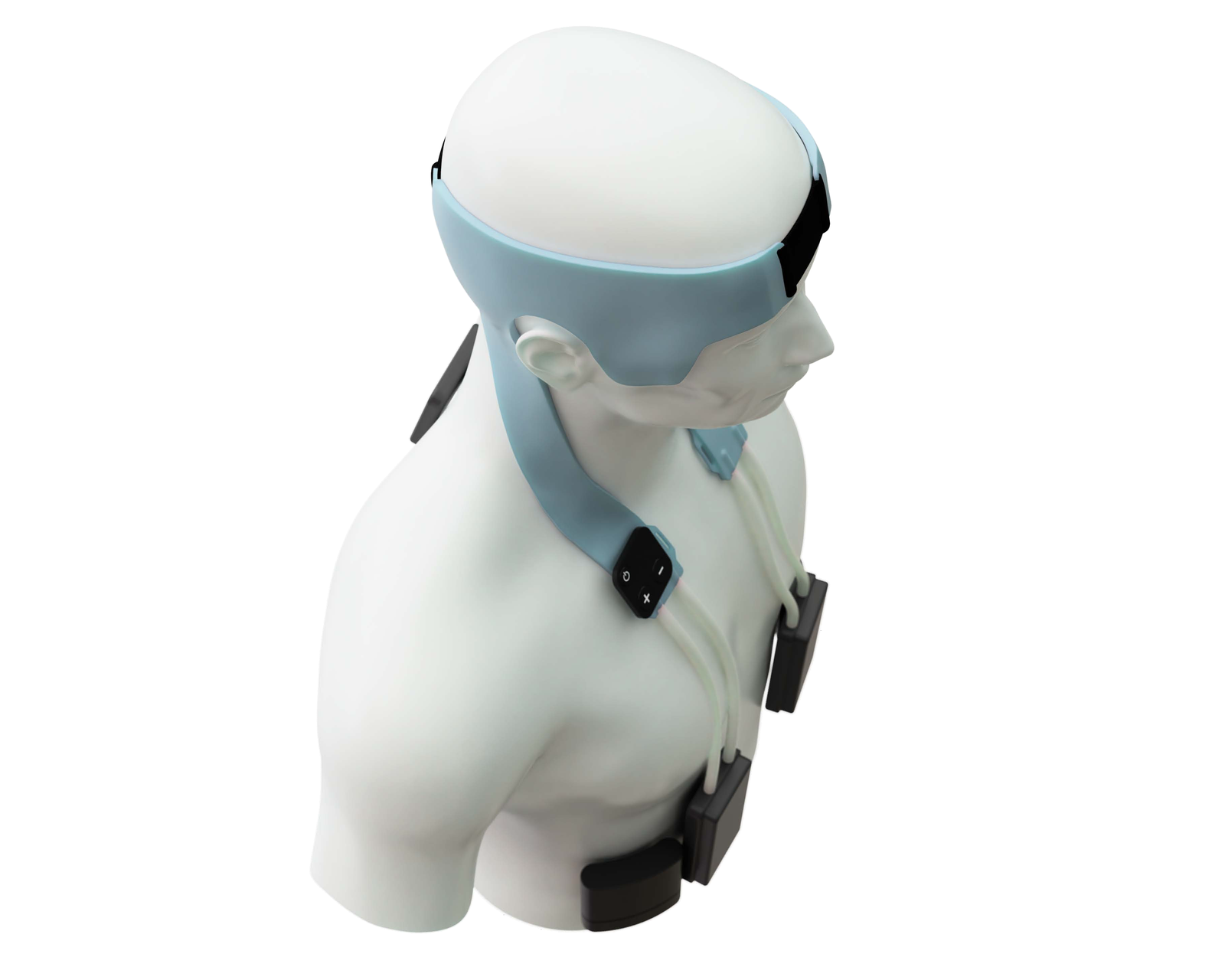
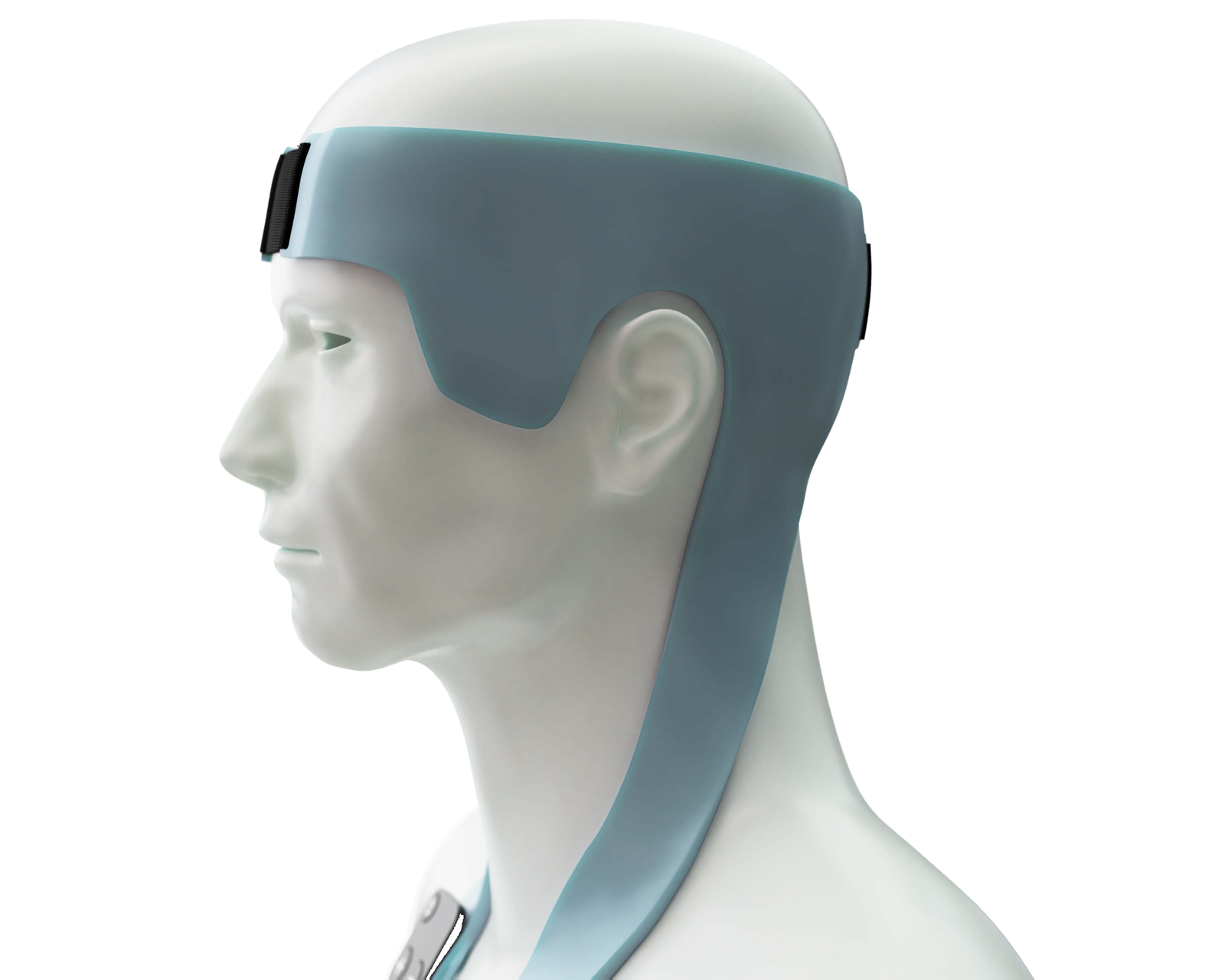
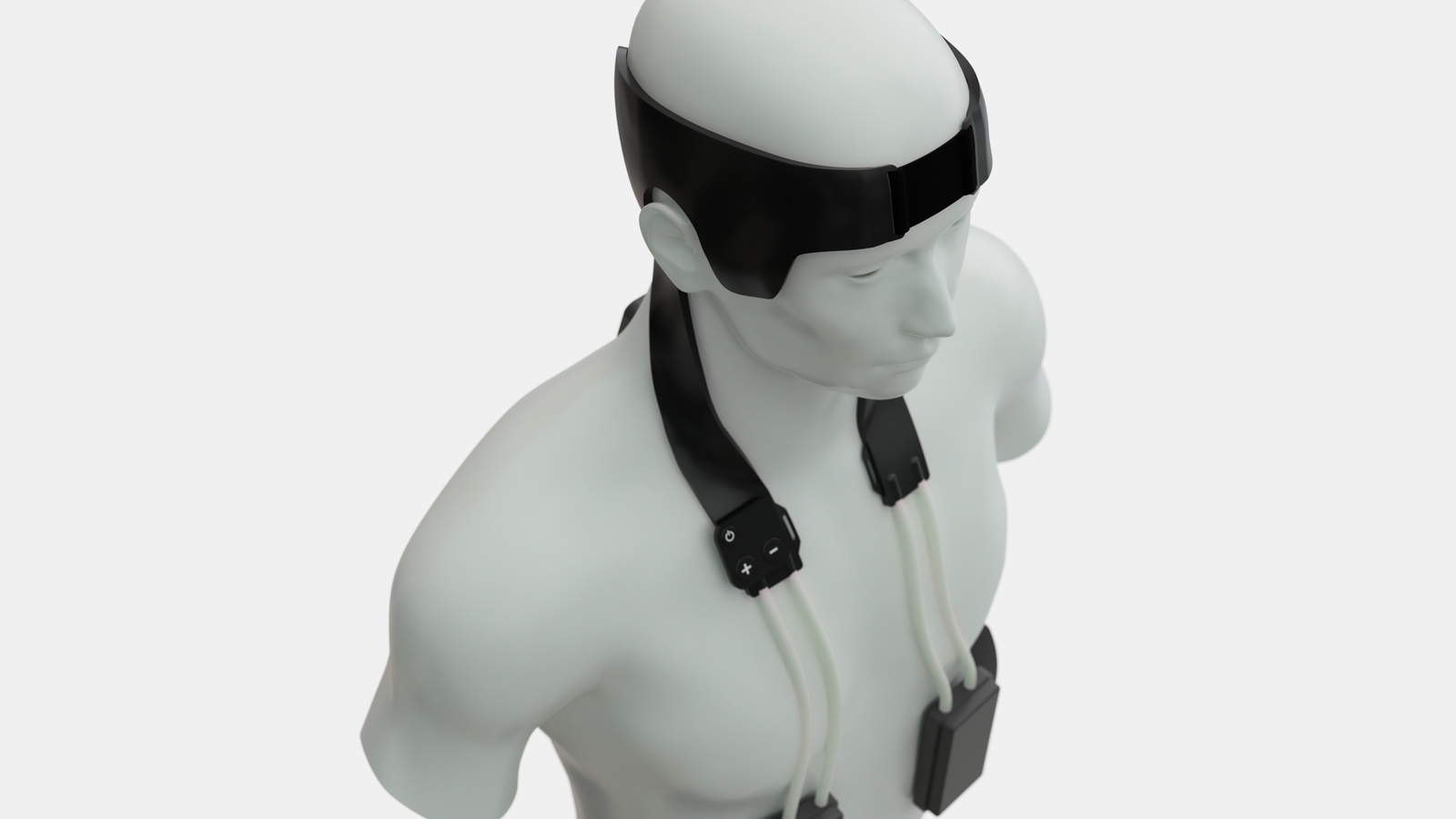
The HALO IQ is a breakthrough R&D design to optimize the utilization of head cooling as a therapeutic intervention — across sport-related concussion, combat-related TBI, oncology supportive care, and sleep medicine. A liquid-cooled, digitally controlled cranial device built for clinical precision.
Designed in accordance with applicable FDA medical device requirements. Not yet cleared by the FDA for these indications.
R&D Pipeline
New Insights
Cranial cooling presents a promising protective strategy for brain injury. Prior liquid cooling garments have been studied on healthy individuals and in the context of head injury, demonstrating effective brain cooling.3,7,8,9,10 The HALO IQ builds on this foundation with digitally controlled precision delivery.
Clinical Studies
The HALO IQ is designed to support structured clinical evaluation of cranial cooling across multiple therapeutic contexts. Selective head cooling in the acute phase of concussive injury has shown measurable neuroimaging changes in controlled settings.7
TBI
At elevated temperatures, metabolic demand increases and can lead to neuronal loss — both temporary and long-term neurodegenerative processes.2,3 Rapid and selective cerebral hypothermia achieved using cooling devices has been demonstrated in clinical settings.8 The HALO IQ targets this intervention window.
Oncology
Scalp cooling during chemotherapy is an established area of clinical research. Published meta-analyses have demonstrated meaningful reduction in alopecia incidence. The HALO IQ’s controlled liquid cooling architecture offers a potential platform for this application.
Defense
TBI remains a significant concern in operational environments. The HALO IQ is being developed as a portable cranial cooling platform suitable for forward deployment — designed to deliver controlled thermal intervention at the point of need.
Concussion & TBI
Concussions are common in contact sports and the incidence has increased over time.6 One metabolic manifestation of injury is elevated brain temperature.2 At elevated temperatures, metabolic demand increases and can lead to neuronal loss, resulting in both temporary and long-term neurodegenerative processes.2,3
Acute mitigation has been shown to improve symptoms and shorten recovery following concussion.2,4,5 Consequently, cranial cooling presents a promising protective strategy. Prior liquid cooling garments have been studied on healthy individuals and have demonstrated efficacy.3,7,8,9,10
Citations reference Temp°IQ™ Cranial white paper. Access White Papers →
Investigational technology under research and development. Not FDA cleared. Not available for clinical use.
Cranial Studies
The HALO IQ is a selective brain cooling device designed to explore targeted cerebral thermoregulation as a therapeutic modality — spanning concussion and mild traumatic brain injury, oncology, military field care, sleep-wake thermoregulation, and transcutaneous cervical vagus nerve modulation for parasympathetic activation.
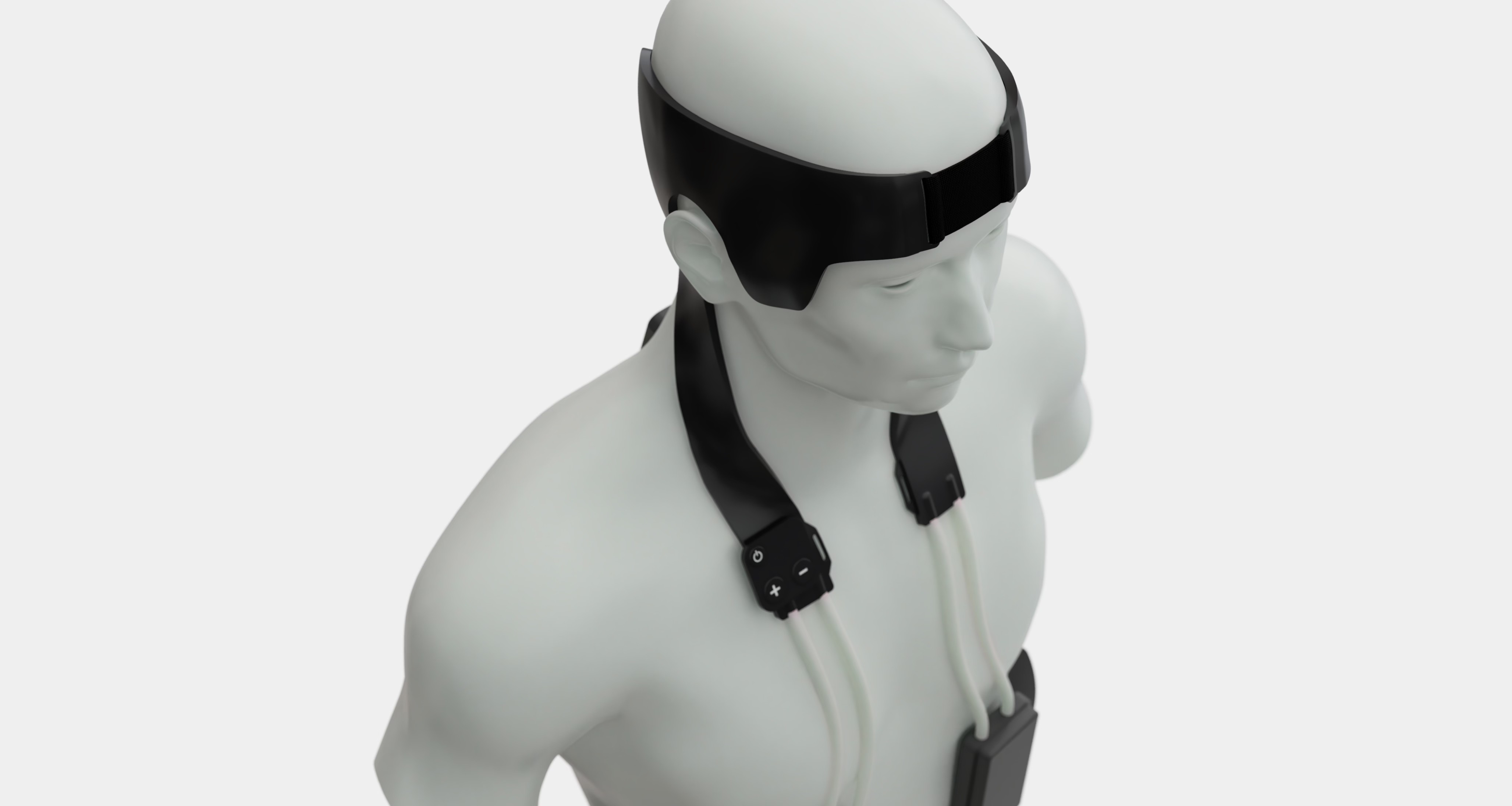
Five active research studies examine how precision pericranial temperature control may support neuroprotective recovery, sleep-wake regulation, and autonomic modulation across clinical, athletic, and defense settings.
Built on Temp°IQ™’s unified electronics platform and AI layer — real-time thermal monitoring, adaptive cooling cycles, and closed-loop control calibrated for the human cranium.
Clinical Studies
The HALO IQ represents a new class of cranial thermal device — and with it, a new regulatory and clinical frontier.
Research-first. Five studies of inquiry.
Regulatory Pathway
Any therapeutic device applied to the head for neurological indication is subject to the FDA Breakthrough Devices Program, established under the 21st Century Cures Act (2016) for technologies that address serious or life-threatening conditions with the potential for substantial improvement over existing therapies (Kadakia et al., JAMA Internal Medicine, 2025). Temp°IQ is pursuing this pathway with a deliberate, research-first approach.
Overview — Five Active Research Studies
The HALO IQ study spans five distinct areas of cranial thermoregulation research, each exploring how precision pericranial temperature control may address unmet clinical needs:
Study 01
Acute Peri-Cranial Cooling for Sport-Related Concussion
Study 02
Scalp Cooling for Chemotherapy-Induced Alopecia
Exploratory research area only — not FDA cleared for oncology applications.
Study 03
Field Integration for Blast-Related TBI
Study 04
Cerebral Cooling for Chronic Insomnia
Study 05
Cranial Thermoregulation for Vagal Modulation
Study 01 — Traumatic Brain Injury
An average of 283,000 emergency department visits occur each year among children in the United States for sports- and recreation-related traumatic brain injuries, with approximately 45 percent associated with contact sports (CDC MMWR, Waltzman et al., 2020). One metabolic consequence of concussive injury is elevated brain temperature, which increases metabolic demand and can accelerate neuronal loss.(2,3) The proposed TBI study would evaluate whether acute peri-cranial cooling administered via the HALO IQ within a defined post-injury window can measurably reduce brain temperature elevation, improve symptom resolution timelines, and shorten return-to-play intervals compared to current standard-of-care protocols.
Study 02 — Oncology
A 2021 systematic review and meta-analysis of 14 studies found that scalp cooling reduced the risk of chemotherapy-induced alopecia by 41 percent (RR 0.59; Shen et al., European Review for Medical and Pharmacological Sciences). A subsequent randomized controlled trial reported persistent alopecia at six months in only 13.5 percent of scalp-cooling patients versus 52 percent of controls (Kang et al., Journal of Clinical Oncology, 2024). The proposed oncology study would explore whether the HALO IQ’s closed-loop cranial cooling architecture — originally designed for concussion — can deliver the precise, continuous temperature control required by emerging scalp-cooling clinical protocols, particularly in settings where existing systems are cost-prohibitive or logistically constrained.
Study 03 — Military
Mild traumatic brain injury is a significant health burden among military service members, with blast exposure the most common mechanism of injury at 51 to 63 percent of cases (Braden et al., Journal of Special Operations Medicine, 2024). Over one in ten casualties presenting to a Role 1 military medical facility had a TBI requiring transfer to a higher level of care (Braden et al., 2024). The proposed military study would investigate how the HALO IQ system could be adapted for austere field environments — evaluating integration with existing tactical equipment, thermal performance under operational conditions, and feasibility of acute post-blast cranial cooling at the point of injury. This work would be pursued in collaboration with Department of Defense research partners.
Study 04 — Sleep-Wake Thermoregulation
Insomnia affects an estimated 10 to 30 percent of the adult population in industrialized societies (Siegel, The Lancet Neurology, 2022) and is considered the second most common mental disorder (van Someren, Physiological Reviews, 2020). The condition is increasingly understood as frontal cortical hyperarousal that fails to disengage during NREM sleep. A prior randomized clinical trial found that a forehead temperature-regulating device reduced sleep-onset latency comparably to first-line pharmacotherapy — without sedative side effects or dependency (Roth et al., Sleep, 2018). The proposed sleep study would enroll adults with chronic insomnia in a controlled trial measuring polysomnography-recorded sleep-onset latency, total sleep time, and sleep efficiency during nightly use of the HALO IQ versus a placebo-controlled device. Secondary endpoints would include subjective sleep quality, next-day cognitive performance, and adherence over a multi-week protocol. The study would also compare the targeted cerebral cooling efficacy of the HALO IQ’s full-cranial architecture versus the forehead-only approach used in the prior trial.
Study 05 — Autonomic Regulation
The cold face test is an established clinical assessment of autonomic function: cold stimulus applied to the forehead and periorbital region activates trigeminal afferents, which trigger vagal outflow via brainstem reflex arcs — the mammalian diving reflex. A recent study found that face cooling produced measurable changes in cardiac autonomic markers (RMSSD, heart rate) in post-concussion patients, with blunted responses suggesting autonomic dysfunction in this population (Wallace et al., Experimental Physiology, 2025). Separately, transcutaneous vagus nerve stimulation (tVNS) using electrical current has demonstrated increased parasympathetic tone and improved heart rate variability in stress paradigms (Tarasenko et al., Bioelectricity, 2022), as well as preliminary improvements in slow-wave sleep depth and respiratory sinus arrhythmia in individuals with hyperarousal-related sleep disturbance (Bottari et al., Journal of Sleep Research, 2023). The proposed study would investigate whether the HALO IQ’s pericranial cooling — applied directly over the trigeminal nerve territory — can elicit autonomic modulation comparable to that reported with electrical tVNS, measured by heart rate variability indices (SDNN, RMSSD, LF/HF ratio), galvanic skin response, and cortisol reactivity during controlled resting, stress, and sleep-onset protocols.
All proposed studies are subject to regulatory approval and IRB oversight. Numbered citations (1–10) reference Temp°IQ™ Cranial. Access White Papers →
Waltzman D, et al. Trends in Emergency Department Visits for Contact Sports–Related Traumatic Brain Injuries Among Children — United States, 2001–2018. CDC MMWR. 2020;69(27):870–874.
Shen X-F, et al. Efficacy of scalp cooling for prevention of chemotherapy induced alopecia: a systematic review and meta-analysis. Eur Rev Med Pharmacol Sci. 2021;25(6):2780–2787.
Kang D, et al. Scalp Cooling in Preventing Persistent Chemotherapy-Induced Alopecia: A Randomized Controlled Trial. J Clin Oncol. 2024;42(20):2421–2430.
Braden SF, et al. Incidence of Traumatic Brain Injuries within the Prehospital Trauma Registry System. J Spec Oper Med. 2024;24(1):56–63.
Siegel JM. Sleep function: an evolutionary perspective. Lancet Neurol. 2022;21(10):937–946.
van Someren EJW. Brain mechanisms of insomnia: new perspectives on causes and consequences. Physiol Rev. 2020;100(3):995–1074.
Roth T, Mayleben D, Feldman N, Lankford A, Grant T, Nofzinger E. A novel forehead temperature-regulating device for insomnia: a randomized clinical trial. Sleep. 2018;41(5):zsy045.
Kadakia KT, et al. FDA Authorization of Therapeutic Devices Under the Breakthrough Devices Program. JAMA Intern Med. 2025;185(3):295–303.
Wallace PJ, et al. Individuals with persisting post-concussion symptoms with physiological subtype demonstrate altered cardiovascular and autonomic responses to face cooling. Exp Physiol. 2025.
Tarasenko A, Guazzotti S, Minot T, Oganesyan M, Vysokov N. Determination of the Effects of Transcutaneous Auricular Vagus Nerve Stimulation on the Heart Rate Variability Using a Machine Learning Pipeline. Bioelectricity. 2022;4(3):168–177.
Bottari SA, et al. Preliminary evidence of transcutaneous vagus nerve stimulation effects on sleep in veterans with post-traumatic stress disorder. J Sleep Res. 2023;33(1):e13891.
Markets
Market landscape, growth trajectory, and the addressable opportunity across medical, industrial, and consumer verticals.
The global thermoregulation and thermal therapy market spans multiple verticals — post-surgical recovery, occupational heat safety, athletic performance, and consumer wellness.
Temp°IQ™ is positioned at the intersection of medical devices, wearable technology, and AI-driven analytics — with a platform approach that allows a single technology investment to address multiple markets.
View Full Page →Research Collaboration
Whether you’re a principal investigator, clinical site, or research institution — we’re looking for partners to help shape the next generation of cranial thermal studies.
Contact Us →